The Hidden Costs of Manual Returns (And How to Automate Them)

Cullin McGrath
Chief Executive Officer
Your returns process is not just slow. It is actively bleeding cash from your margins every single day.
Most e-commerce operations managers know the return volume problem well. What they underestimate is where the real cost lives. It is not the refund. It is the labor, the stale pricing, and the shipping labels nobody ever uses.
Manual reverse logistics is built on processes that make sense at low volume and fall apart at scale. Every extra touchpoint adds cost. Every spreadsheet update that does not happen in time chips away at your buyback margins.
This article breaks down the three biggest automation wins in reverse logistics: dynamic pricing, bill-on-scan shipping labels, and automated inventory intake. Together, they target the structural waste that manual operations cannot fix by working harder.
The Two Margin Killers Hiding in Your Returns Workflow
Before automation can help, you need to know exactly what is costing you. Two problems show up consistently across e-commerce reverse logistics operations, and both are invisible until you start tracking them.
Price Drift: You make buyback offers based on last month’s market data, then sell into today’s lower-value market
Ghost Labels: You pay for prepaid return shipping labels the moment they are generated, even when customers never send the item back
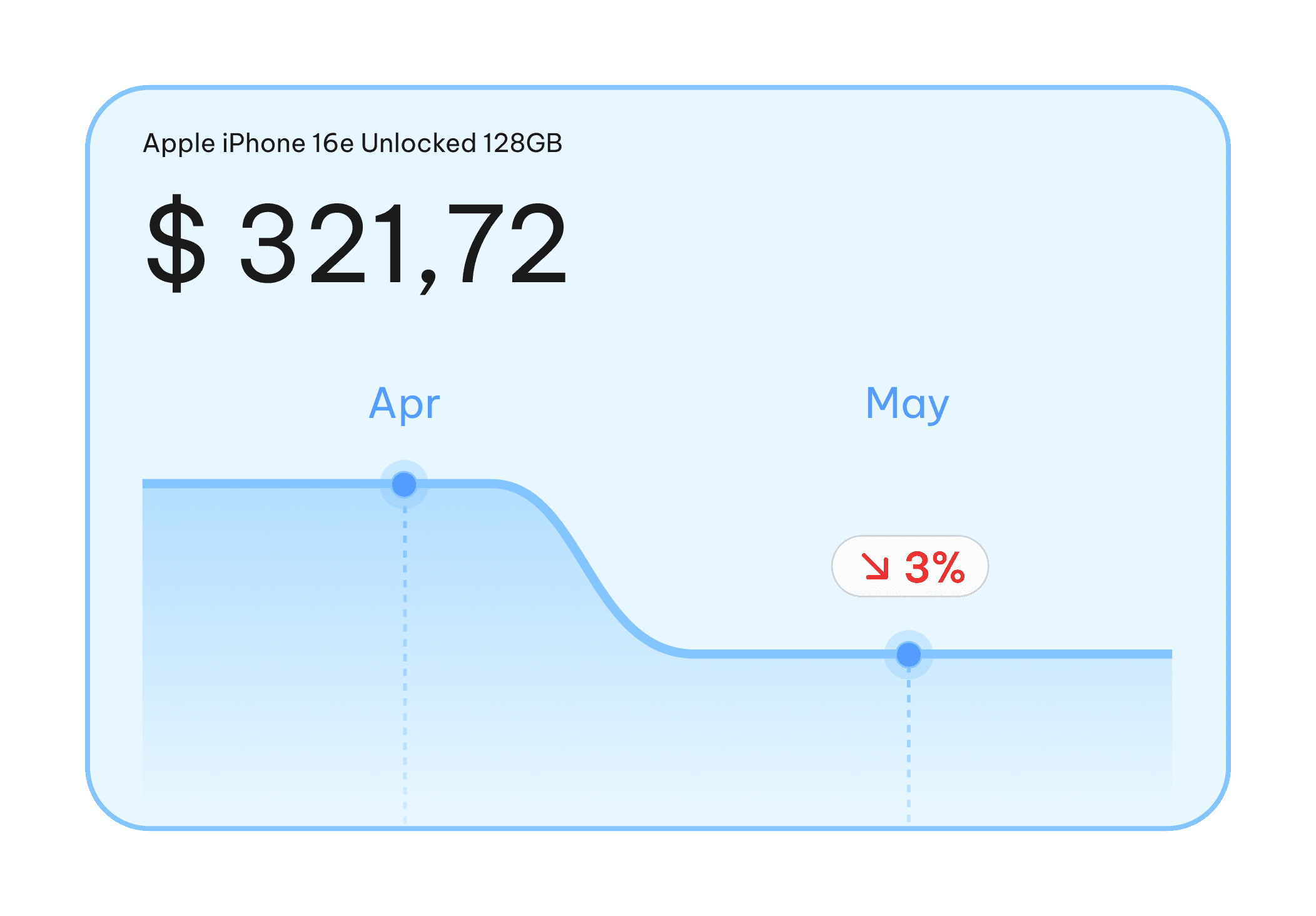
Price Drift happens because used-goods markets move constantly. A smartphone worth $180 on the secondary market in January may only fetch $140 by March after a new model releases. If your pricing catalog lives in a static spreadsheet, you are buying at last month’s prices and selling into a market that has already moved on.
Ghost Labels are just as damaging. Industry data shows that between 20% and 40% of issued return labels go unused in certain product categories. In a standard prepaid label model, you have already paid for that label the moment it was created. At high volume, that is a significant budget line generating zero value.
Dynamic Pricing: Fix Your Buyback Offers at the Source
The solution to Price Drift is not to update your spreadsheet more frequently. It is to replace the spreadsheet entirely as the source of truth and connect your buyback offers directly to live market data through API integrations.
Dynamic pricing for recommerce works by reading current secondary market values and automatically adjusting your trade-in offers. When market value drops, your offer adjusts down to protect your margin. When supply tightens and values rise, your offer moves up to stay competitive. No manual intervention needed.
You configure the logic once: the margin percentage you need to protect, which data sources to pull from, and which product categories the rules apply to. From that point, the system handles the pricing math. Consider a mid-size electronics reseller processing 500 trade-ins per month. A $10 average overpayment on just half of those transactions adds up to $30,000 in avoidable losses per year.
Callout: Operators using dynamic pricing for recommerce report that connecting buyback offers to live market data cuts pricing-related margin loss by an average of 15% to 25% within the first 90 days.
Bill-on-Scan Labels: Stop Paying for Postage You Never Use
Paying for shipping labels upfront is one of the most common and least-discussed cost leaks in reverse logistics. Standard prepaid labels are billed the moment they are generated, not when the carrier scans the package. If a customer never drops the item off, you paid for nothing.
Bill-on-scan labels, also called Pay on Use postage, fix this completely. You generate and send the label as normal, but the charge only triggers when the carrier physically scans the package at pickup or drop-off. No scan means no charge. The customer experience stays exactly the same.
Here is what changes when you switch to bill-on-scan:
Shipping costs align directly with actual shipment volume
Monthly reconciliation no longer requires backing out unused label charges
Shipping budget becomes predictable and directly tied to return acceptance rate
Not every carrier or shipping platform offers bill-on-scan as a standard product. Switching to this model typically requires a returns platform that has specifically negotiated Pay on Use billing with its carrier partners. This is one area where your choice of automated reverse logistics software has a direct and measurable impact on your monthly cost structure.
Automated Inventory Intake: From Barcode Scan to Listed Item in Seconds
Even after a return lands on your dock, the manual work is far from finished. In a typical manual operation, a warehouse associate opens the box, visually inspects the item, looks up the SKU, keys a condition grade into a spreadsheet, and then decides which resale channel to route it to. At 50 returns a day that is manageable. At 500 it becomes a bottleneck that breaks everything downstream.
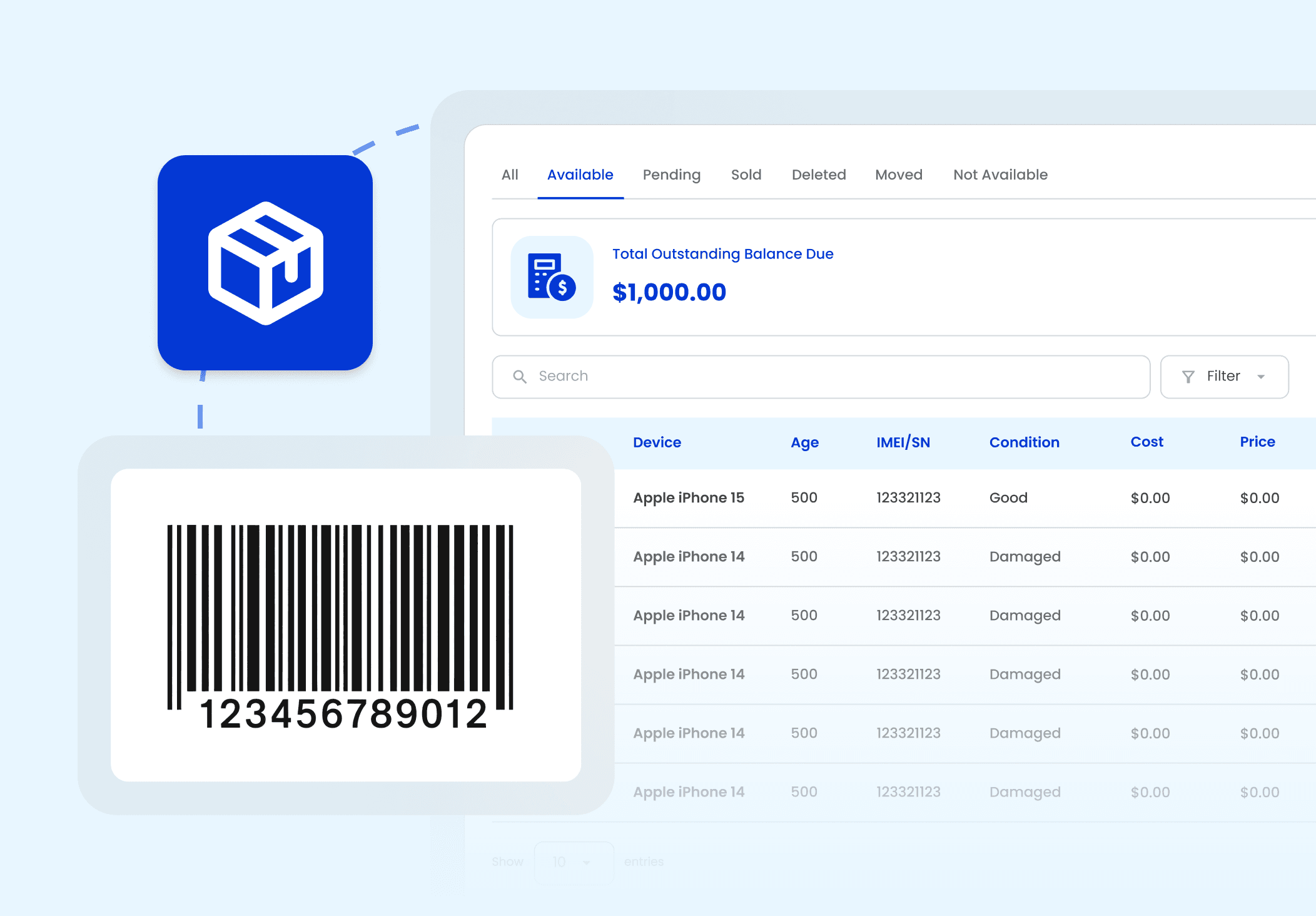
An automated inventory intake system replaces that entire workflow with a single barcode scan. The associate scans the item, and the system instantly pulls product data, presents a structured grading interface, and logs the item once conditions are confirmed. No manual typing. No risk of a miskeyed SKU routing an item into the wrong resale bucket. No spreadsheet rows to fill in.
From there, automation handles routing. Based on the condition grade, the system determines whether an item should be refurbished, listed as-is, bundled, or liquidated, and pushes the listing directly to connected resale channels. What used to take two to three minutes of manual data entry per item now takes fifteen to twenty seconds.

Why Manual Processes Cannot Scale With Volume
The intake bottleneck is the first place scaling breaks down for growing recommerce operations. Return volume doubles but your warehouse team cannot. Manual entry introduces errors that compound over time: items get miscategorized, resale prices get miscalculated, and inventory records diverge from physical reality.
Automated intake creates a clean, consistent record from the moment of receipt. Your reporting stays accurate, your channel listings stay reliable, and your team’s time shifts away from transcription and toward work that actually requires human judgment. That shift is where real operational leverage comes from.
Efficiency Is About Protecting Margin, Not Just Moving Faster
Dynamic pricing, bill-on-scan labels, and automated inventory intake each eliminate a specific, measurable source of waste in your returns operation. Used together, they do not just speed up your workflow. They close the margin gaps that manual processes have been quietly draining for months. Operators who implement all three consistently report 25% to 30% reductions in reverse logistics overhead without adding headcount.
Ready to see exactly how much your current manual process is costing you? Book a free reverse logistics audit with our team and get a line-by-line breakdown of where your margins are leaking.





" width="1304.414px"/></svg>)